
A Day at Oxpecker Camp
August 16, 2026 · Oxpecker Tours
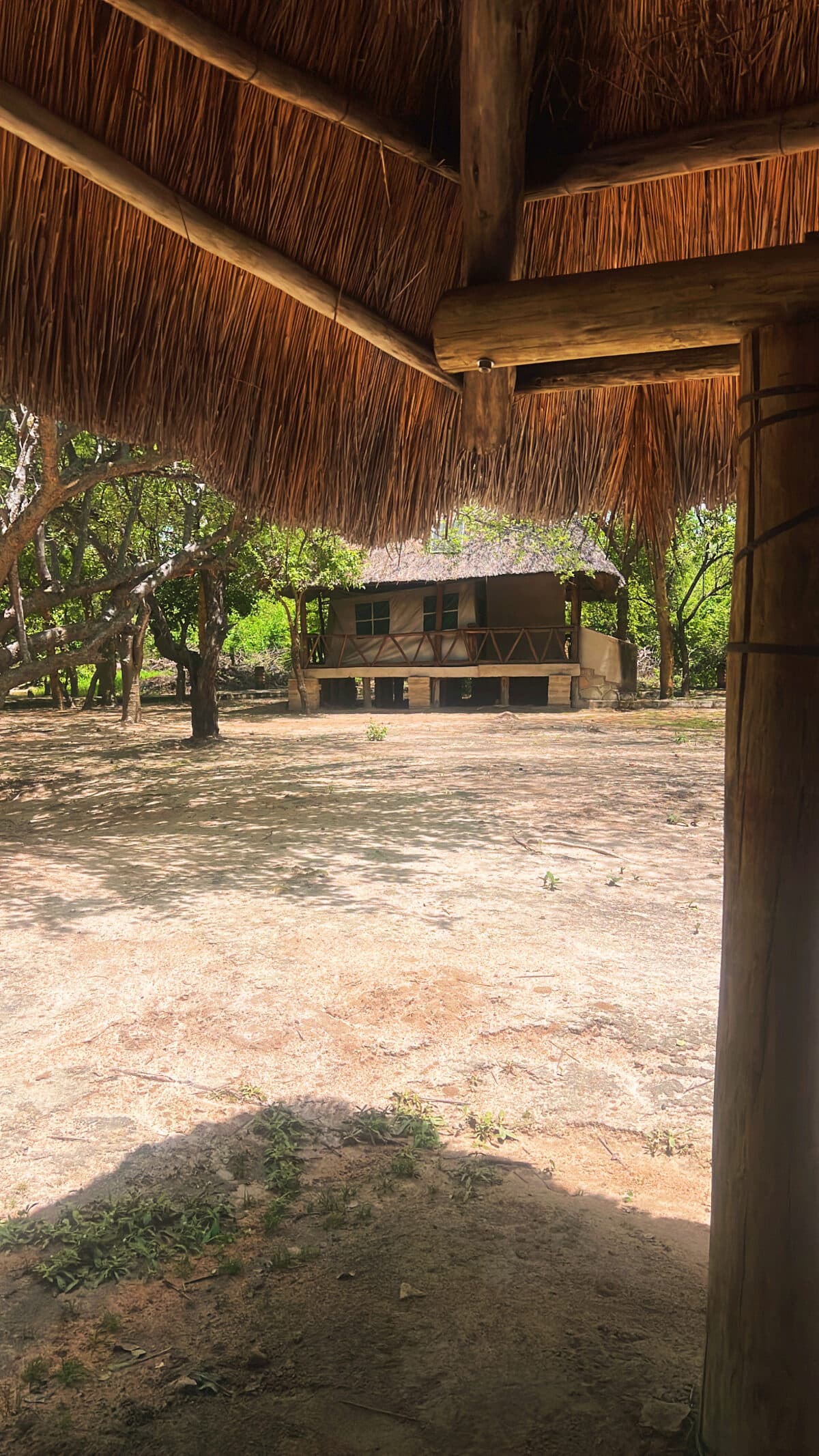
We opened Oxpecker Camp in December 2025 after years of guiding other people's guests to other people's lodges. Building our own was partly ambition and partly frustration — we wanted somewhere small enough that guests aren't processed, and close enough to Ruaha that the park starts before breakfast does.
This is what a day here actually looks like.
5:30am — coffee in the dark
Someone knocks quietly and leaves a tray outside your door. Strong Tanzanian coffee, grown a few hours from here in the Southern Highlands, and a biscuit to get you moving.
It's still dark. The nightjars are winding down and the first francolins are starting up. If you sit on your porch for ten minutes with the coffee before anyone speaks to you, that's the best part of the day and we won't interrupt it.
6:15am — into the park
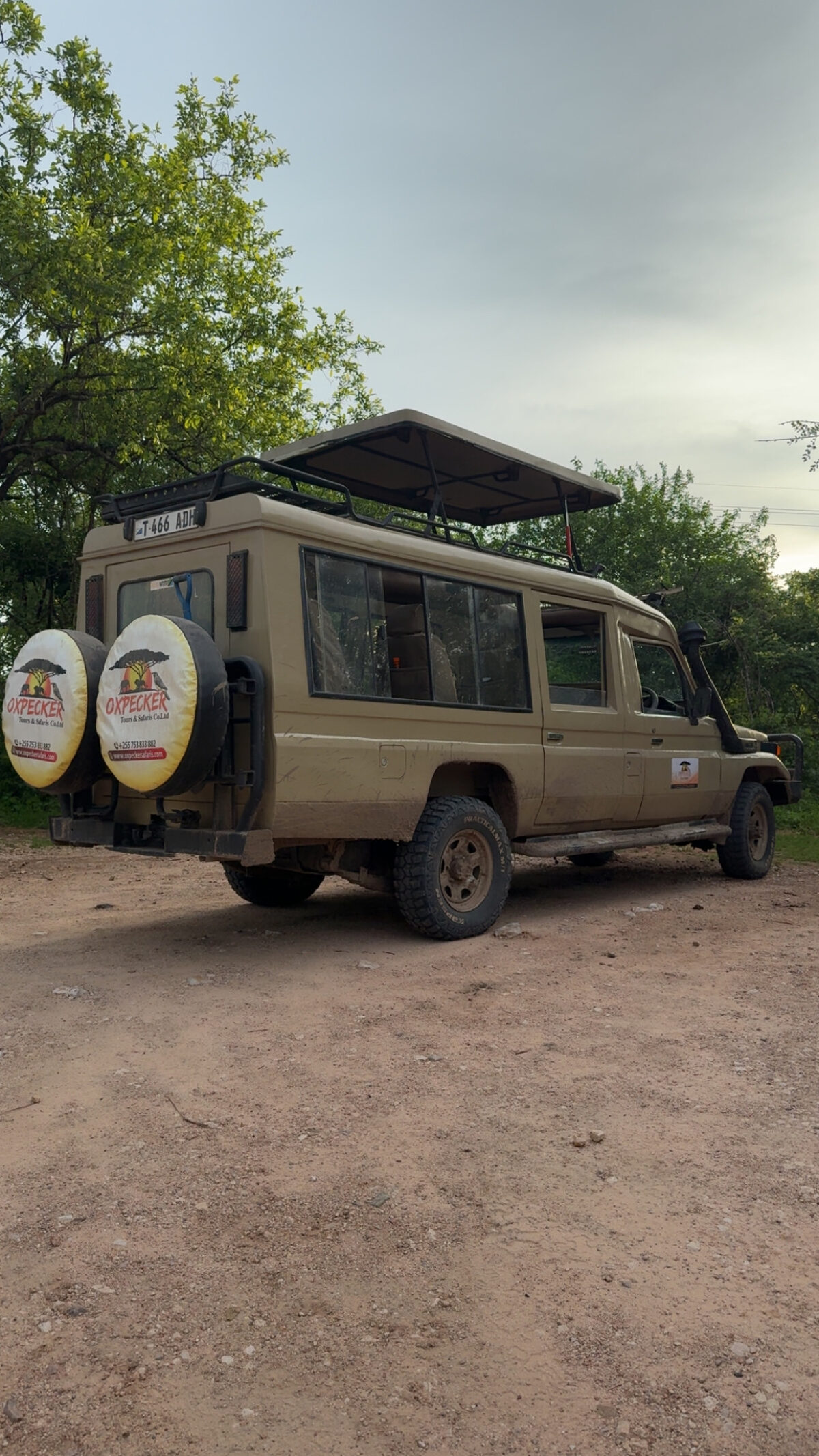
The vehicles are open-sided Land Cruisers with the roof up. It's genuinely cold at this hour — we keep blankets in the vehicle and you will want one, however skeptical you are about that in equatorial Africa.
The first hour is the best hour. Predators are still active, the light is soft and low, and the park is entirely yours. Our guides grew up in this region; most started as spotters and worked up. They know where the lion pride denned last week because they were watching.
9:30am — breakfast under a tree
We stop somewhere with a view and set up a proper breakfast — eggs, fruit, bread, more coffee. It's not a hurried roadside sandwich. Sitting still in the middle of a national park with a plate in your lap is one of the quiet pleasures of safari, and it's when guests usually start asking the good questions.
11:00am — back for the heat
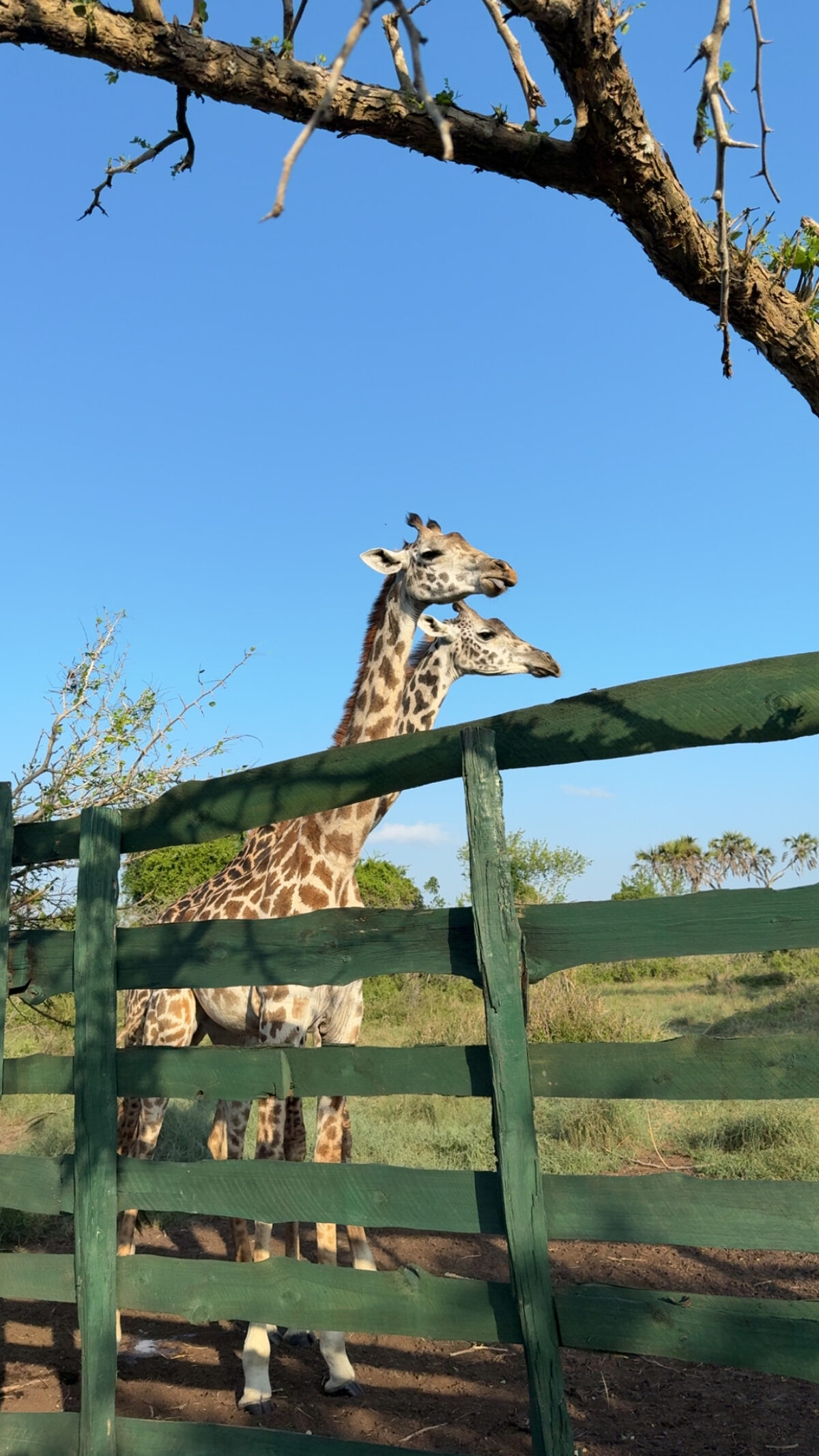
Wildlife activity drops off in the middle of the day and so do we. Back at camp there's lunch, then the hours when nothing is expected of you. Read on your porch. Sleep. Watch whatever wanders through — we're unfenced, and giraffe browse past the cottages often enough that it stops being remarkable by day three.
4:00pm — out again
The afternoon drive runs until dark. This is when elephant come to water, when the light turns gold and then orange, and when — if you're lucky — you find cats beginning to stir.
We stop for a sundowner somewhere with a horizon. Gin, a soft drink, whatever you like, and twenty minutes of not being in a moving vehicle while the sun goes.
7:30pm — dinner, and then the sounds
Dinner is communal if you want it and separate if you'd rather. The food is Tanzanian with the range you'd expect — plenty of vegetables, good grilled meat, and if you've never had ndizi na nyama cooked properly, ask.
Afterwards there's usually a fire. And then bed, where the actual point of staying somewhere unfenced becomes clear: you can hear everything. Hyena whooping. Hippo, if the river is close. Occasionally lion, which sounds nothing like it does on television and is felt as much as heard.
Guests often say the first night is hard to sleep through and by the third they can't imagine sleeping without it.
What the camp is and isn't
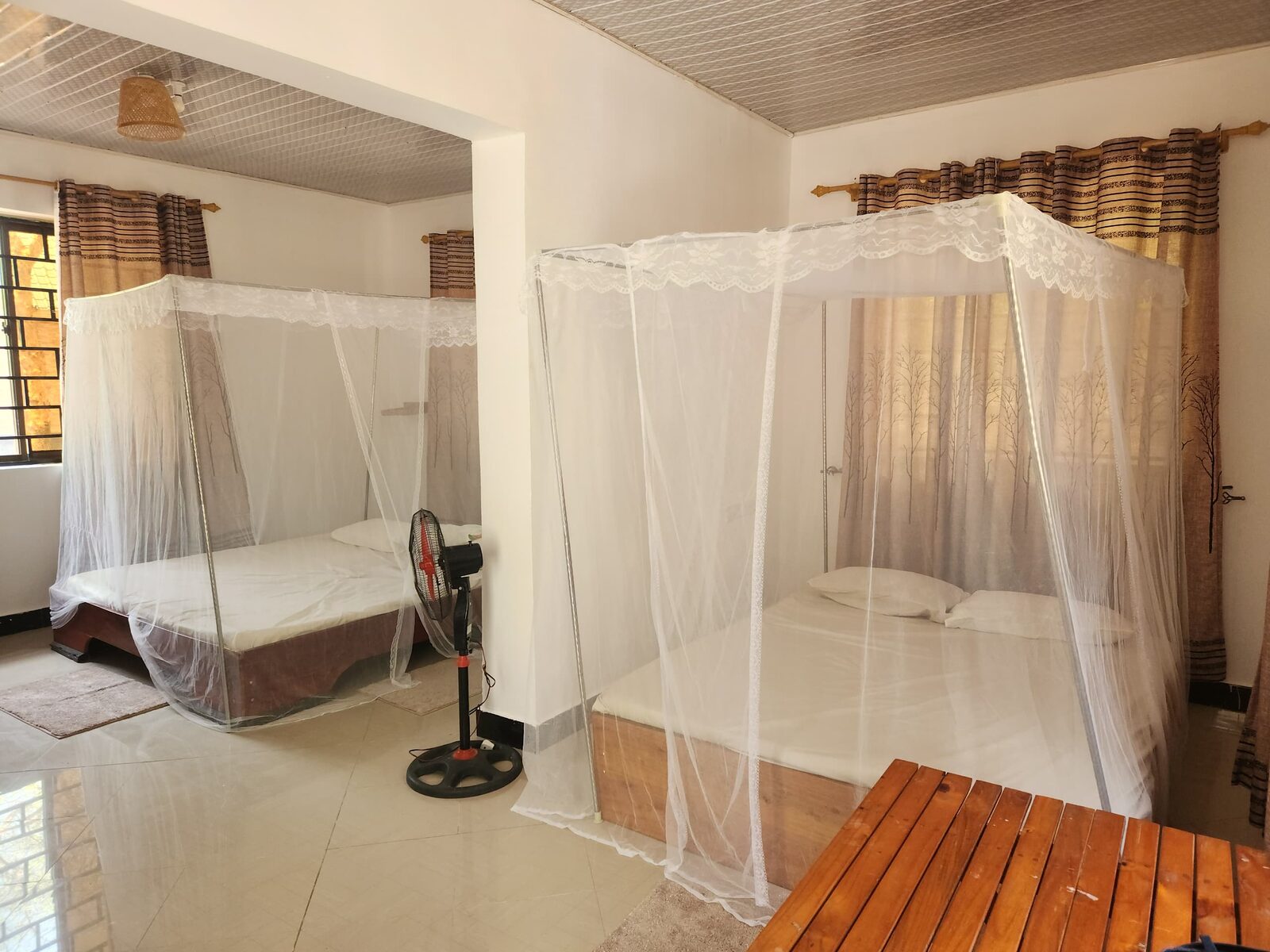
It's small. A handful of cottages, not a lodge. If you want a spa and a pool bar, we're the wrong choice and we'd rather say so.
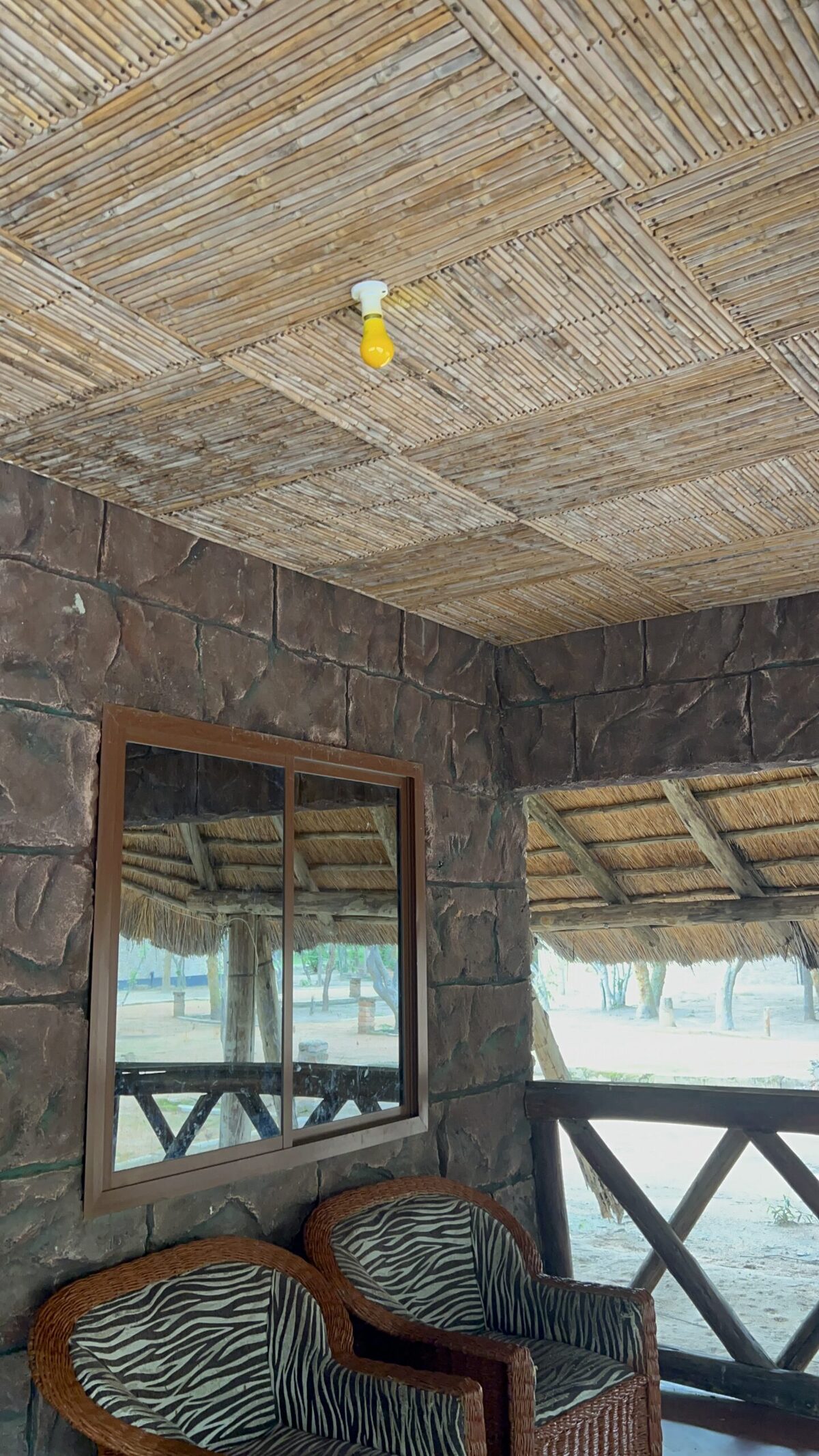
It's comfortable but not polished. Proper beds, hot showers, decent linen, en-suite bathrooms. Not marble.
It's family-run. You'll meet us. That's either the appeal or the drawback, depending on what you're after.
It's close to Ruaha. That's the whole reason it's where it is.
Coming to stay
The camp is open year-round, including through the green season, which we'd genuinely recommend.
Reach us at [email protected] or +255 763 815 413, or see the camp page for rooms and rates. We're on Instagram at @oxpecker_camp if you'd rather just look at photographs first.